#10 The Role Of Ṣẹ̀kẹ̀rẹ̀ Ajé In Yorùbá Culture And Spirituality
UDC: 780.616.4:39(669.1)
COBISS.SR-ID 188603913

Received: Oct 18, 2025
Reviewed: Dec 26, 2025
Accepted: Jan 09, 2026
#10 The Role Of Ṣẹ̀kẹ̀rẹ̀ Ajé In Yorùbá Culture And Spirituality
Citation: Adebola, Akinyemi Emmanuel. 2026. "The Role Of Ṣẹ̀kẹ̀rẹ̀ Ajé In Yorùbá Culture And Spirituality." Accelerando: Belgrade Journal of Music and Dance 11:10
Abstract
The Ṣẹ̀kẹ̀rẹ̀ Ajé is a traditional Yorùbá musical instrument deeply embedded in the cultural and spiritual fabric of the Yorùbá people. As a symbol of prosperity, abundance, and feminine energy, the Ṣẹ̀kẹ̀rẹ̀ Ajé plays a significant role in various aspects of Yorùbá life, including spiritual practices, ceremonies, and community celebrations. Despite its importance, there is a notable gap in scholarly research on Ṣẹ̀kẹ̀rẹ̀ Ajé, particularly in understanding its multifaceted role in Yorùbá society. This paper explores the multifaceted role of Ṣẹ̀kẹ̀rẹ̀ Ajé in Yorùbá culture and spirituality, with a view to highlighting its cultural significance, spiritual importance, and the ways in which it continues to inspire and nurture community life. Hinged on cultural symbolism theory, the paper relied on oral interview, observation, bibliography, and the Internet as methodology. The paper observes that Ṣẹ̀kẹ̀rẹ̀ Ajé in Yorùbá culture serves as a symbol of heritage and identity. Also, it is used for preserving Yorùbá cultural heritage, passing down traditions, and promoting cultural continuity. Furthermore, the instrument serves as a representation of prosperity, royal association, and spiritual communication in Yorùbá culture and spirituality. The paper concludes that the significance of Ṣẹ̀kẹ̀rẹ̀ Ajé extends beyond its musical roles, representing a connection with Yorùbá cultural heritage and spiritual practices. The paper also recommends that Ṣẹ̀kẹ̀rẹ̀ Ajé as an instrument should be documented, re-contextualised, and repackaged to teach the upcoming generations and the Yorùbá in historiographical and ethnomusicological approaches.
culture, religion, yorùbá, ṣẹ̀kẹ̀rẹ̀ ajé, spirituality, traditional instrument, music, cultural identity
Introduction
The Yorùbá people have a rich cultural heritage and spiritual practices that are deeply intertwined. The Yorùbá believes in a Supreme Being known as Olódùmarè, and a pantheon of divinities or gods (òrìṣà), each governing different aspects of life and nature. Some of these Òrìṣà include Ọbàtálá (god of creation or arch-divinity), Ifá (god of wisdom and divinity), Ọ̀sányìn (god of herbal medicine), Ọ̀ṣun (goddess of fresh water), Ṣàngó (god of thunder), Ògún (god of iron), Ọya (goddess of wind and storm), Ajé (goddess of wealth), Egúngún (a masquerade), and Ẹ̀ṣù (the trickster) are worshipped and venerated (Idowu 1996). Apart from these Òrìṣà, they (Yorùbá) also venerate the spirits of their ancestors in the sense that they were said to play active role in the lives of the living, providing guidance, protection, and blessings for them (Falola & Genova 2006).
Yorùbá culture and spirituality, which are rich and complex, originate from the Yorùbá people of West Africa, primarily in Nigeria, Benin, and Togo. The Yorùbá cultural practices however are known for tradition as including music, dance, art, and storytelling. It is important to note according to Awolalu (1979) that part of the people’s cultural and spiritual belief is not unconnected with ritual practices such as believe in offering sacrifices known as ẹbọ or ètùtù to Olódùmarè through the Òrìṣà, as well as the spirit of their ancestors in other to promote spiritual growth and harmony. Furthermore, festivals and celebrations like Ọ̀ṣun-Òṣogbo, Egúngún, Ìgunnukó, Agẹmọ, and Ẹ̀yọ̀, to mention but a few, are commonplace in showcasing the rich cultural heritage of Yorùbá people (Idowu op. cit.; Kofoworola 2015). Yorùbá culture also witnesses collectivism, interdependence, and respect for elders. It also maintains traditions, history, and spiritual knowledge through generations even yet unborn.
Music, an integral part of Yorùbá culture, plays a vital role in the sense that it serves as a means of expression, communication, and preservation of their cultural heritage, which is also used in their day-to-day activities. In this sense, music in Yorùbá society brings about spiritual connection and communication between the divine and ancestors, thereby playing a crucial role in spiritual practices and rituals. Also, it brings people together, fostering a sense of community and shared identity through collective participation and celebration. On the other hand, it serves as a means of preserving Yorùbá history, myths, and legends, ensuring the transmission of cultural knowledge to future generations. In the light of the above submission, Ṣẹ̀kẹ̀rẹ̀ Ajé, a musical instrument in traditional Yorùbá music is significant in Yorùbá culture serving as a symbol of heritage and identity. It is seen as a traditional percussive instrument used as a symbol of prosperity, royal association, and spiritual communication. This instrument is a vital part of Yorùbá music and culture, with its unique sound and rhythmic capabilities.
This paper is set to examine the role of Ṣẹ̀kẹ̀rẹ̀ Ajé, with a view to unravel its place in Yorùbá culture and spirituality. It is believed that this study will provide a comprehensive understanding of the role of Ṣẹ̀kẹ̀rẹ̀ Ajé in Yorùbá society, offering insights into the intersections of music, culture, and spirituality thereby advancing knowledge on Nigerian music education.
Methodology
This study employs a qualitative research design in describing the role of Ṣẹ̀kẹ̀rẹ̀ Ajé in Yorùbá culture and spirituality, while focussing on documenting and preserving it for future reference and consultation. Furthermore, it will help to provide insights into the cultural significance of Ṣẹ̀kẹ̀rẹ̀ Ajé, thereby promoting cross-cultural understanding and application. The study in its data collection employed both primary and secondary source in describing and analysing Ṣẹ̀kẹ̀rẹ̀ Ajé. The primary source involves oral interviews with expert players of the instrument, and observation methods, while the secondary source is through consultation of relevant books, journal articles, and the Internet. The data collected were sampled, analysed, and interpreted within the ethnomusicological framework.
Theoretical Framework
The study adopts cultural symbolism theory as used by Bishop and Stephenson (2003), which is a collective framework developed by various scholars and thinkers. Some of these scholars are Charles Baudelaire, Stephane Mallarme, Paul Verlaine, Arthur Rimbaud, Emile Durkheim, and Clifford Geertz among others. Cultural symbolism theory, drawn from various theoretical traditions such as structuralism, semiotics, and anthropology, has been applied to various fields including anthropology, sociology, and cultural studies. The theory posits that symbols, such as colours, objects, sounds, carry meaning and significance within a particular culture. These symbols convey complex ideas, beliefs, and values, and are often used to communicate cultural identity, norms, and practices.
In African music, cultural symbolism theory explores how musical elements express meaning and implication within African cultures. This theory is rooted in the idea that music and musical instruments are a powerful symbol of cultural identity, community, and history. For instance, musical instruments like drums, flutes, and harps hold spiritual significance and represent a tribe’s connection to their ancestral heritage and the natural world. In the context of Ṣẹ̀kẹ̀rẹ̀ Ajé, cultural symbolism theory aids the much better understanding of the symbolic meanings associated with the instrument, such as its connection to prosperity, abundance, and feminine energy. Through analysis, the cultural context and shared understanding of Ṣẹ̀kẹ̀rẹ̀ Ajé will shed light on the complexities of Yorùbá culture and spirituality.
Historical Context Of Ṣẹ̀Kẹ̀Rẹ̀ Ajé In Yorùbá Culture
The Ṣẹ̀kẹ̀rẹ̀ Ajé as a traditional Yorùbá musical instrument has a rich history and cultural significance in Yorùbá Land. Its origin was said to have dated back to many centuries ago, rooted in Yorùbá culture, particularly among the people of Nigeria, Benin, and Togo. According to Yorùbá oral traditions, there are different types of history surrounding the origin and myths about Ṣẹ̀kẹ̀rẹ̀ in Yorùbá Land. For instance, David (2013, 37-39) explains that the history of Ṣẹ̀kẹ̀rẹ̀ in Yorùbá Land is embedded in two oral traditions, the first is from Aluṣẹ̀kẹ̀rẹ̀ (Ṣẹ̀kẹ̀rẹ̀ player), and the second in Odù Ifá (Ifá corpus) as explained and narrated by Ifá priests.
The first oral tradition posits that Àjàká, a king in Ọ̀yọ́ who reigned in the 14th century A.D., had only one daughter whose name was Akuruwe and her husband was Oníkòyí, a warrior and ruler in a small village under the then Old Ọ̀yọ́ Empire. History has it that Oníkòyí and Akuwure his wife, were involved in a fire accident in a room at night. While Akuwure was burnt to death, Oníkòyí escaped by a magical means called ‘egbé’. Egbé is the Yorùbá name given to mystical power to disappear from a location and appear in another location. To break the news to Aláàfin Àjàká was expectedly a herculean task for the fear of being executed. However, Oníkòyí and his friend, Onigbogbon then consulted the Ifá oracle as to the best way to communicate the death of Aláàfin Ajaka’s daughter to him. The Ifá oracle revealed that the duo should obtain akèrègbè (a gourd) and string cowries around it. They were to engage themselves in singing and dancing, and at the same time beating the akèrègbè stung with cowries to the palace of Aláàfin Àjàká.
After a while, the singing and Ṣẹ̀kẹ̀rẹ̀ playing were stopped, but Aláàfin Àjàká queried why were it stopped; and this avail the duo (Oníkòyí and Onigbongbon) to communicate to the king that something bad had happened, and eventually broke the news to him. However, the story revealed that the high spirit induced by the music (Ṣẹ̀kẹ̀rẹ̀ Ajé music) mitigated the serious immediate effect of the news. This story justifies how the origin of Ṣẹ̀kẹ̀rẹ̀ Ajé was traced to Ọ̀yọ́ and dated to the period of the reign of Aláàfin Àjàká. It is therefore believed that the first family to construct and play the Ṣẹ̀kẹ̀rẹ̀ Ajé was the family of Àtìbà Ologose; hence, the lineage eulogy, “Aláàfin, òjò pa Ṣẹ̀kẹ̀rẹ̀, ọmọ Àtìbà”. The second tradition relates different stanzas from Odù Ifá, such as Ogbè Òtúrúpòn, Ọ̀bàrà Ọ̀yèkú, and Ọ̀sá Ogbè to mention but a few. For instance, in Odù Ọ̀bàrà Ọ̀yèkú according to Abimbola (1997 cited in David 2013), Ifá says:
Ọ̀bàrà yẹ̀kú yẹ̀kù yẹ́kú,
A díá fún Ṣẹ̀kẹ̀rẹ̀;
Níjọ́ tí n fomi ojú sògbérè aya,
Wọ́n ní kó rúbọ.
Òun leè láya báyìí?
Wọ́n ní àwọn ayaà rẹ̀ ó pọ̀;
Ijó loó maá jó,
Loó ma lù fún won o.
Tío bá tí nlù, tío sì nkọrin fún wọn,
Àwọn obìnrin ó gbàá tẹ̀le ọ ni;
Ṣẹ̀kẹ̀rẹ̀ bá bẹ̀rẹ̀ síí lù,
Gbogbo obìnrin kéékèéké bá gbá lé Ṣẹ̀kẹ̀rẹ̀.
Ngbà tí ó n jó jóó jó,
Wọ́n ò mọ̀ ìgbà tí àwọn bá Ṣẹ̀kẹ̀rẹ̀ dé ilé;
Wọ́n bá dúró ti Ṣẹ̀kẹ̀rẹ̀,
Ni òun bá n bímọ fún Ṣẹ̀kẹ̀rẹ̀.
Ayé yẹ Ṣẹ̀kẹ̀rẹ̀,
Owó pọ̀ tán ó bá tún so ó mọ́ra.

Translation in English
Ọ̀bàrà yẹ̀kú yẹ̀kù yẹ́kú,
Casts divination for Ṣẹ̀kẹ̀rẹ̀;
On the day he was crying because he had no wife,
He was asked to perform sacrifice.
“What would I do to have wives?” He asked!
They said “you Ṣẹ̀kẹ̀rẹ̀’;
Your wives would be so many,
You will have to dance and clatter for them.
Once you clatter and beat for them,
Women would be on your trail;
Ṣẹ̀kẹ̀rẹ̀ then started to clatter,
All mature girls started after him.
When they danced and danced,
They did not know when they entered his house;
Many of them stayed with Ṣẹ̀kẹ̀rẹ̀,
And had children for him.
Life so pleased Ṣẹ̀kẹ̀rẹ̀,
He had so much money and had to weave some on his body.
From the Odù Ifá cited above, Ajewole in David (op. cit., 41-42) explains that there lived a man called Ṣẹ̀kẹ̀rẹ̀ in Ọ̀yọ́ around 15th century. The man was not in a good state of mind as a result of poverty and not having a wife. He therefore went for Ifá consultation, and the priest through divination revealed to him that he should take to clattering and singing around as a public dancer, as part of the sacrifice process in order to have his problem solved. At last, things became better for Ṣẹ̀kẹ̀rẹ̀, he was rich, had many wives, and many children. His riches and fame was known everywhere and this justifies the Yorùbá adage, “Olówó bí i Ṣẹ̀kẹ̀rẹ̀,” meaning “someone, who is rich like Ṣẹ̀kẹ̀rẹ̀”. However, after the death of the man (Ṣẹ̀kẹ̀rẹ̀,), he was immortalized and his name was given to his instrument as Ṣẹ̀kẹ̀rẹ̀.
Construction And Sizes Of Ṣẹ̀Kẹ̀Rẹ̀ Ajé
The Ṣẹ̀kẹ̀rẹ̀ Ajé, a percussive instrument consist of a gourd (akèrègbè) with cowries (owó ẹyọ or ajé) woven into a net covering the gourd. According to Yorùbá oral tradition, Ṣẹ̀kẹ̀rẹ̀ Ajé is traditionally made with cowries inside a covered gourd, used for rhythmic purposes. Later, the instrument evolved to feature cotton threads winding cowries around the gourd for a more refined sound, and also for aesthetic purpose. The Ṣẹ̀kẹ̀rẹ̀ is made from vine gourds that grow on the ground. The gourd is put under the sun for several months to dry before removing the pulp and seeds inside it. After it is scrubbed, skilful nets of cowries are woven onto strings around the gourd’s exterior. Although, there are various methods for attaching the net, but the main goal is to create a loose, functional covering that produces a rhythmic sound when the Ṣẹ̀kẹ̀rẹ̀ is shaken or twisted.
Apart from Ṣẹ̀kẹ̀rẹ̀ Ajé, there are other types of Ṣẹ̀kẹ̀rẹ̀ made with beads (ilẹ̀kẹ̀ or iyùn) which is known as “Ṣẹ̀kẹ̀rẹ̀ Onílẹ̀kẹ̀ or Oníyùn (beads)”. There is also “Ṣẹ̀kẹ̀rẹ̀ Ikanyere”, which is a gourd strung with the seeds generated by Ikanyere tree. However, the most very common are Ṣẹ̀kẹ̀rẹ̀ Ajé and “Ṣẹ̀kẹ̀rẹ̀ Onílẹ̀kẹ̀ or Oníyùn as seen in pictures 1 and 2 below. The Ṣẹ̀kẹ̀rẹ̀ Ajé is so called because of the cowries (ajé) attached to the gourd and Ṣẹ̀kẹ̀rẹ̀ Onílẹ̀kẹ̀ or Oníyùn in the sense that beads (ilẹ̀kẹ̀ or iyùn) are also attached to it. More so, we have gourds strung with plastic and wooden beads serving as an effect of modernization (David op. cit.).
The Ṣẹ̀kẹ̀rẹ̀ Ajé which is the focus in this study comes in different sizes and shapes that affects its tone and pitch, and these sizes and shapes constitute the ensemble during performance. They are Ìyá Ajé (Mother Ṣẹ̀kẹ̀rẹ̀), and two others, Omele Ajé Akọ and Omele Ajé Abo (male and female). In performance, Ṣẹ̀kẹ̀rẹ̀ is shaken and/or hit against the hands. It is also important to note that apart from Ṣẹ̀kẹ̀rẹ̀ ensemble that consisted of the above mentioned, there is a drum known as Dùndún added to the ensemble referred to as “Dùndún-Ṣẹ̀kẹ̀rẹ̀” ensemble orchestra, which is made up of Ṣẹ̀kẹ̀rẹ̀ and Dùndún sets. The combination of Dùndún-Ṣẹ̀kẹ̀rẹ̀ produces a far better instrumental music in terms of melody, timbre, etc. than when each instrument is played separately (Ibid).
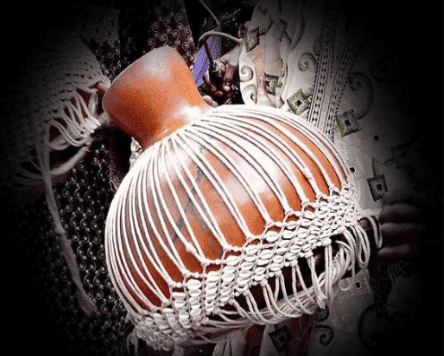
Picture1. The Ṣẹ̀kẹ̀rẹ̀ Ajé. (Gourd with cowries).
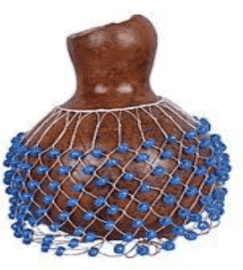
Picture2. The Ṣẹ̀kẹ̀rẹ̀ Onílẹ̀kẹ̀ or Oníyùn (Beads).
Ṣẹ̀Kẹ̀Rẹ̀ Ajé In Yorùbá Spirituality
Yorùbá spirituality as a complex and multifaceted system revolves around a pantheon of divinities known as Òrìṣà, who serves as intermediaries between the Supreme Being, Olódùmarè (Idowu op. cit.). Speaking on Yorùbá spirituality, Abimbola (2014a, 2014b & 2014c), posits that divination is a cornerstone of Yorùbá spirituality, with the Ifá oracle providing insights into personal and communal issues, helping individuals to make decisions and align with their destiny through certain ritual performance or observation in order to connect with the Supreme Being through the divinities. Yorùbá spirituality therefore emphasises balance, harmony, and connection with nature and the divine. It has to do with the understanding of the universe, including the spiritual and physical realms. This belief influences various aspects of life from art and music to healing and divination.
In Yorùbá spirituality, Ṣẹ̀kẹ̀rẹ̀ Ajé as a sacred percussive instrument symbolises joy, unity and spiritual connectivity, traditionally used in religious rituals (such as initiation for spiritual leaders, purification rites), worship practices (divinities), and ceremonies (such as festivals, wedding, naming, funerals and ancestral rites), hence, the Yorùbá adage, “Ṣẹ̀kẹ̀rẹ̀ kìí bá wọn ròde ìbànújẹ́” signifies it is an instrument of happiness, never played in times of sorrow (Awolalu op. cit.). It is believed that Ṣẹ̀kẹ̀rẹ̀ Ajé possesses spiritual powers and is used in facilitating communication between humans and the Òrìṣà (divinities), even with the ancestors. The rhythmic sound of this instrument according to Yorùbá oral tradition has the potency to invoke Òrìṣà, ward off evil spirits, bring balance and harmony, influence spiritual energies, and enhance spiritual growth. It is also held in some context that Ṣẹ̀kẹ̀rẹ̀ Ajé is associated with Ọbàtálá devotees and its sound and/or music is believed to invoke healing (spiritual or physical) and peace (psychic or environmental) (Omojola 2010).
Musical Functions Of Ṣẹ̀Kẹ̀Rẹ̀ Ajé
Music as a form of communication plays a functional role in African society, especially among the Yorùbá. In certain Yorùbá communities, music is often believed to ward off evil spirits, and to pay respects to good spirits, the dead and ancestors (Adebola 2018, 23). Adedeji (2014, 12) argues that the term ‘function’ is interrelated to such terms as usage and role. To him, ‘usage’ refers to the involvement, employment and manipulation of something in a particular context and at a particular time or different times. Function refers to the purpose of usage or what a subject is used for. It answers the question: ‘to do what’. In other words, it is ‘the why’ of an involvement. Role on the other hand, is the part played by the subject, which may be likened to an actor’s part in a play, or the overall value. The musical function of Ṣẹ̀kẹ̀rẹ̀ Ajé in this context implies that the instrument plays specific indispensable roles in Yorùbá culture and spirituality.
Musically speaking, Ṣẹ̀kẹ̀rẹ̀ Ajé provides rhythmic support for traditional music and dance during ceremonies, festivals, and rituals to create sacred sounds. In storytelling, Ṣẹ̀kẹ̀rẹ̀ Ajé is instrumental in the sense that its sounds and rhythms help convey stories and cultural narratives. The instrument is also used to invoke and praise òrìṣà and ancestors, which is often played alongside other traditional instruments, especially Dùndún and Bàtá drums as a result enriching the musical texture (Euba 2003). It is important to note that the versatility and expressiveness of Ṣẹ̀kẹ̀rẹ̀ Ajé makes it a vital instrument in Yorùbá musical traditions. Ṣẹ̀kẹ̀rẹ̀ Ajé as an idiophone instrument is used to add percussive textures to Yorùbá music, and also participates in call-and-response patterns with other instruments or vocalists. Its sound is said to convey emotions and intensity thereby maintaining cultural authenticity in traditional Yoruba music. Conclusively, Ṣẹ̀kẹ̀rẹ̀ Ajé player uses various techniques to create different rhythms, adding depth and texture to the music, and this enables the instrument to produce both sharp and soft sounds and to make it versatile and indispensable. The musical functions of Ṣẹ̀kẹ̀rẹ̀ Ajé however highlight its importance in preserving Yoruba traditional music and cultural practices.
Cultural And Social Implications
The word “culture” derives from its Latin root “cult”, meaning “cultivation, reclamation, development and enlightenment”. Culture has been viewed in several ways by different scholars. In Chinese, “culture” comes from
observe the sky to see the change of time; observe humanity to humanize the world. (Zhang 2018)
Dongxiang (2018, 811) notes that culture is the result of humanization, that is, culture is the product created by human’s long-term engagement in social practice in history. Anidobe and Uzoalor (2010) explain that culture is the way of life of people which encompasses their beliefs, music, art, and social organization. Hofstede (1997) on the other hand refers to it as the cumulative deposit of knowledge, experience, beliefs, values, attitudes, meanings, hierarchies, religion, notions of time, roles, spatial relations, concepts of the universe, and material objects and possessions acquired by a group of people in the course of generations through individual and group striving.
Olúwadámiláre and Ayọ̀kúnmi (2024, 586) assert that people are known for what they learn, as a results, culture eventually determines the quality in a person or society that arises from an apprehension for what is regarded as excellent in arts, letters, manners and scholarly pursuits and many more. To Nwagbara (2002), culture is conceived as
the cumulative deposit of knowledge, experience, meanings, beliefs, values, attitudes, religion, concepts of self, the universe and self-universe, relationships, hierarchies of status, role expectations, spatial relations and time concepts acquired by a large group of people in the course of generations through individual and group strivings.
This means that every culture has symbols that are exclusive to them commonly referred to as cultural symbols. From socio-cultural viewpoint, Ṣẹ̀kẹ̀rẹ̀ Ajé holds its significant place in the royal family of Kings in Yorùbá land, especially the Aláàfin of Old Ọ̀yọ́, where the instrument symbolises prosperity and nobility. Olúwadámiláre and Ayọ̀kúnmi (op. cit., 592-593) explain that Ṣẹ̀kẹ̀rẹ̀ Ajé, a type of Yorùbá traditional music is associated with the Kings, and no king will go out to any occasion without taking along his Ṣẹ̀kẹ̀rẹ̀ Ajé and its player (Aluṣẹ̀kẹ̀rẹ̀).
Furthermore, the performer will always be singing the praises of the king and shaking the Ṣẹ̀kẹ̀rẹ̀ Ajé at the same time, and if the need arises render songs to complement it. It is also important to note that Ṣẹ̀kẹ̀rẹ̀ Ajé is not always performed alone; rather, it is often performed together with Dùndún drum while following the King in their performances (Euba op. cit.).
As a symbol of Yorùbá cultural heritage, Ṣẹ̀kẹ̀rẹ̀ Ajé playing brings people together, fosters community, and social cohesion. It is integral to traditional practices, such as festival ceremonies, and rituals, especially in various rites of passage, such as birth, initiation, and marriage ceremonies. Ṣẹ̀kẹ̀rẹ̀ Ajé rhythms and sounds convey cultural stories and histories. In terms of symbolism, the beads and cowries Ṣẹ̀kẹ̀rẹ̀ Ajé represents spiritual and cultural themes. The instrument also serves as a symbol of unity in that it promotes unity and social harmony. From the foregoing, it is worth to note that the instrument is often passed down through generations, maintaining its place as a treasured heirloom and a link in the present to the past.
Modern Adaptation Of Ṣẹ̀Kẹ̀Rẹ̀ Ajé In Nigeria Music
In contemporary times, the Ṣẹ̀kẹ̀rẹ̀ continues to be relevant in the sense that it finds its place in modern music genres and performances, especially in Nigerian music. This is noticeable in musicians’ incorporating the instrument (Ṣẹ̀kẹ̀rẹ̀) into various styles as such blending traditional sounds with contemporary music. Apart from Ṣẹ̀kẹ̀rẹ̀, even Ṣẹ̀kẹ̀rẹ̀ Ajé been used in its cultural sense, the instrument has now become the property of so many musical genres in Nigeria music industry such as fújì, jùjú, a àpàlà, afro-beat, highlife, wákà, sákárà and even gospel music both within and outside the Church. This adaptation however ensures that Ṣẹ̀kẹ̀rẹ̀ Ajé, which is more than just a musical instrument remains a vital part of Yorùbá culture and tradition.
Conclusion And Recommendations
The study concluded that Ṣẹ̀kẹ̀rẹ̀ Ajé plays a vital role in Yorùbá culture and spirituality in that it serves as a means of celebration, worship and communication. The uniqueness of the instruments in terms of sound and rhythmic patterns evoke emotions, convey messages, and connect individuals to their heritage. Its use in various contexts such as festivals, ceremonies and rituals reinforces community bonds in preserving cultural traditions, and thus facilitates spiritual expression. An examination of Ṣẹ̀kẹ̀rẹ̀ Ajé in Yorùbá culture helps in a deeper understanding of the intricate relationships between music, culture, and spirituality. Ṣẹ̀kẹ̀rẹ̀ Ajé helps to highlights the importance of preserving and promoting cultural heritage, and also acknowledges the dynamic and evolving nature of traditional practices in contemporary contexts. As a cultural symbol, Ṣẹ̀kẹ̀rẹ̀ Ajé remains as integral part of Yorùbá identity, fostering community cohesion and cultural continuity.
The study also recommends that the documentation and preservation of Ṣẹ̀kẹ̀rẹ̀ Ajé traditions through audio-visual recordings and written documentation will help in promoting cultural education and awareness programmes to teach younger generations about the significance of Ṣẹ̀kẹ̀rẹ̀ Ajé in Yorùbá culture and spirituality. Furthermore, it will help to encourage interdisciplinary research on Ṣẹ̀kẹ̀rẹ̀ Ajé, exploring its cultural, spiritual, and musical dimensions.
References
- Abimbola, W. 1997. Ifa: An Exposition of Ifa Literary Corpus. New York: Athelia Henrietta Press.
- Abimbola, W. 2014a. Ìjìnlẹ̀ Ohùn Ẹnu Ifá. Ibadan: University Press PLC.
- Abimbola, W. 2014b. Ìjìnlẹ̀ Ohùn Ẹnu Ifá, Apá Kìni-ín-ní. Ibadan: University Press PLC.
- Abimbola, W. 2014c. Ìjìnlẹ̀ Ohùn Ẹnu Ifá, Apá Kejì. Ibadan: University Press PLC.
- Adebola, A. 2018. “Study of Structure and Functions of Music in Igunnuko Festival in Aworiland, Lagos State, Nigeria. “Unpublished Master’s Thesis submitted to the Department of Music, Obafemi Awolowo University, Ile-Ife.
- Adedeji, F. 2014. “The Theology and Pragmatism of the Role of Music in the Contemporary Church Ministries and the Society: An Exploration Inquiry”. A Lecture delivered at the 4th Convocation of the Christ Apostolic Church Theological Seminary, Ilé-Ifẹ̀, Osun State.
- Anidobe, C.J. & U. J. Uzoalor. 2010. “Kola Nut: Kolanut as an Embodiment for Completeness of the Igbo Culture”. The Nigerian Academic Forum 19(2): 1-5.
- Awolalu, W. 1979. Yoruba Beliefs and Sacrificial Rites. London: Longman.
- Bishop, P. & R. H. Stephenson. (Eds.) 2003. Cultural Studies and the Symbolic: Occasional Papers in Cassirer and Cultural Theory Studies. Presented at the University of Glasgow's Centre for Intercultural Studies. Leeds, U.K.: Northern Universities Press.
- David, R. O. 2013. “Historical and Pictorial Documentation of some Yoruba Traditional Musical Instruments” Unpublished Master’s Thesis, Department of Music Obafemi Awolowo University, Ile-Ife.
- Dongxiang, L. 2018. “A Study of Relationship between Symbols and Cultures from the Perspective of Linguistics”.* Advances in Social Science, Education and Humanities Research (ASSEHR) 184, 811-813*.
- Euba, A. 2003. “Gods and Deputy Gods: Music in Yoruba Religious and Kingship Traditions”. In The Interrelatedness of Music, Religion and Ritual in African Performance. Edited by K. Daniel Avorgbedor. London: Edwin Mellen Press.
- Falola, T. and A. Genova. (Eds.). 2006. Orisa: Yoruba Gods and Spiritual Identity in Africa and the Diaspora. Trenton, NJ: Africa World Press.
- Hofstede, G. 1997. Cultures and Organizations: Software of the Mind. New York: McGraw Hill.
- Idowu, B. E. 1996. Olódùmarè, God in Yoruba Belief (Revised and Enlarged). Lagos: Longman Nigeria Plc.
- Kofoworola, Z. O. 2015. Yoruba Names, Cosmology, Worldviews and Dramatic Exploration. Abuja: International Institute of Theatre.
- Nwagbara, G. U. 2002. “The Inter-relationship between Advertising and Culture”. Uyo Journal of Humanities 7, 33-47.
- Oluwadamilare, J.O. & O. M. Ayomikun. 2024. “Traditional Music as the Heart Beat of Yoruba Culture: A Study of Oyo Town, Oyo State, Nigeria”. Niger Delta Journal of Gender, Peace & Conflict Studies 4(1): 583-599.
- Omojola, B. 2010. “Rhythms of the Gods: Music and Spirituality in Yoruba Culture”. The Journal of Pan African Studies 3(5): 29-50.
- Zhang, J. 2018. “Basic Theoretical Analysis of Chinese Character Culture”. Chinese Character Culture, Vol. 7, 3-4+6.
